
How to Know Your Own Taste

How to Know Your Own Taste: Stop Following Trends and Start Trusting Your Instinct
Your personal taste isn't learned. It's not taught. It's felt. And your instinct about what you like is already right.
The Myth of Taste as an Education
Somewhere along the way, people convinced us that taste is something you need to develop. That you need to study art history. Read design magazines. Visit galleries. Only then can you know what "good taste" is.
That's backwards. Those things don't teach you taste—they teach you trends.

The Difference Between Taste and Trends
Trends fade. What's fashionable today is dated tomorrow. You can follow trends, but you'll always be playing catch-up. And once a trend passes, so does the piece you bought to match it.
Taste endures. When you buy something because it speaks to you, you'll still love it years later. Not because it's timeless (though it might be). But because you chose it for the right reason.
How to Recognize Your Own Taste
Your taste shows up in what you naturally gravitate toward. Not what you think you should like. What you actually like.
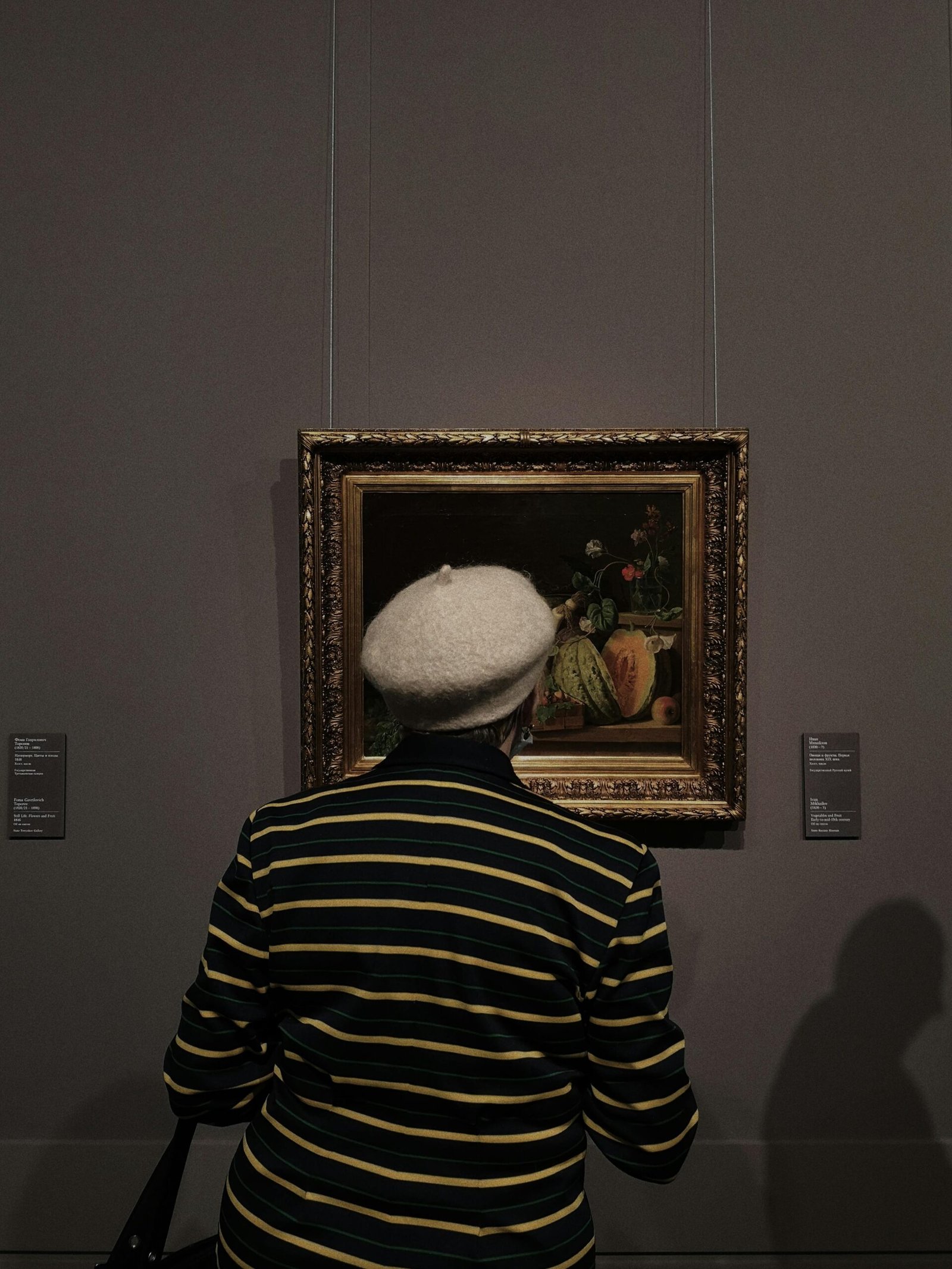
Walk through a gallery. Your eye will stop on certain pieces. That moment? That's your taste. That's your instinct telling you something matters.
Trust that feeling. That's literally all taste is—your honest response to something you see.
The Practice of Following Your Instinct
It takes courage to buy something nobody else is buying. To choose a color because you love it, not because it's in magazines. To stand in front of an artwork and say, "I want this," regardless of what experts think.
But that's where your taste lives. In those moments of conviction. When you see something and you just know.
Stop asking what's fashionable. Stop asking what you should like. Ask yourself what you actually like. That answer is your taste. And your taste is always right for you.
Read Also
How to Choose Art When You're Afraid
Discover how to overcome your fear of choosing art and trust your instincts.
Read Article →
Why Pay More for Original Art
Understand the true value of original artwork and why investing in quality pieces is worth every penny.
Read Article →
The Golden Rule of Interior Design
Learn how one signature piece of art can transform an entire room.
Read Article →